
Humans at the Center. Compliance at the Foundation
Transforming users into verified identities boosts security and trust. This process should be seamless, ensuring swift onboarding while safeguarding our community.
Our Mission
Every institution exists to serve the right person, safely. A password reset is a trust moment. So is a re-KYC, a large disbursement. We're not building a verification screen. We're building the layer that decides, every time, whether this person should be trusted.

Our Vision
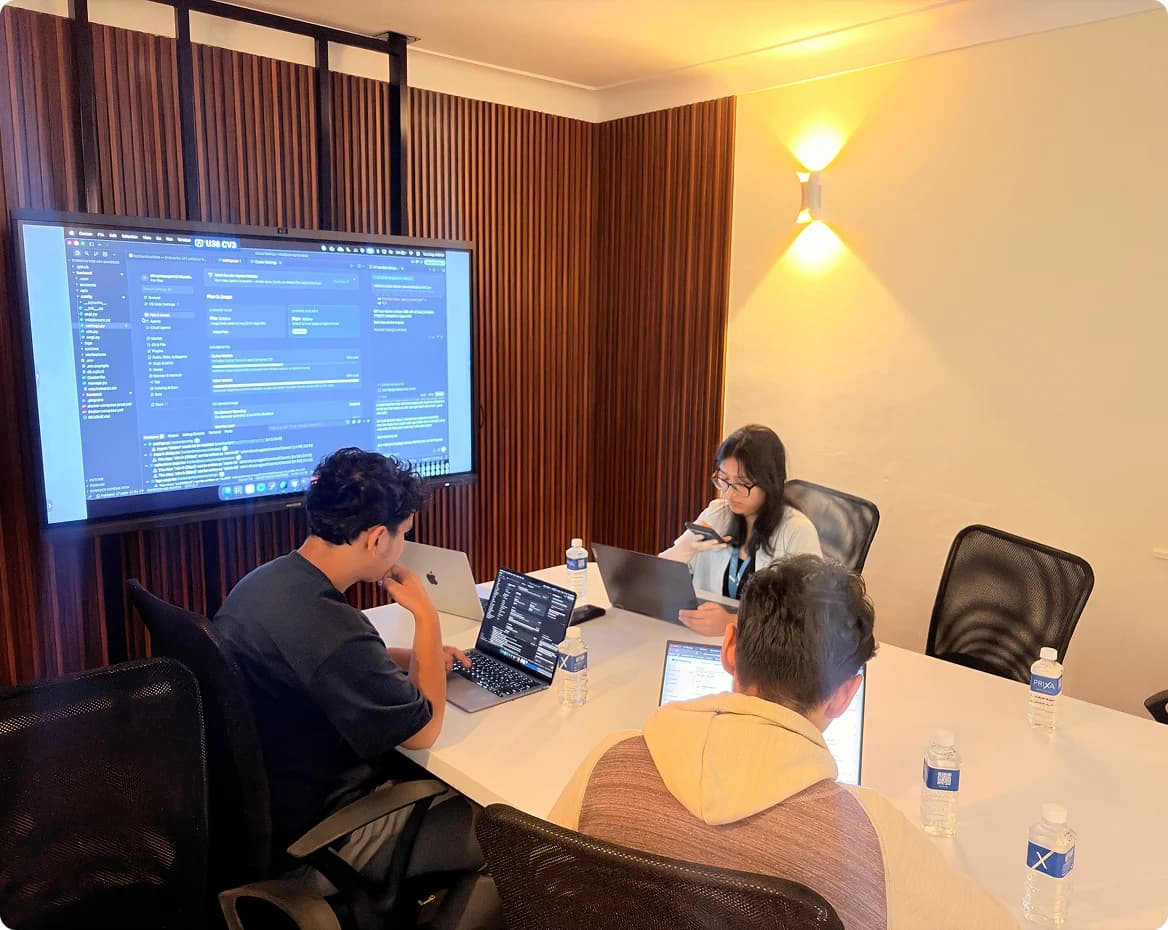
To make digital trust instant, continuous, and institution-owned. Instant, because friction is usually a stand-in for judgment the system doesn't have. Continuous, because trust that isn't reasserted decays. Real control stays with whoever answers to the regulator.
Our story
Launch

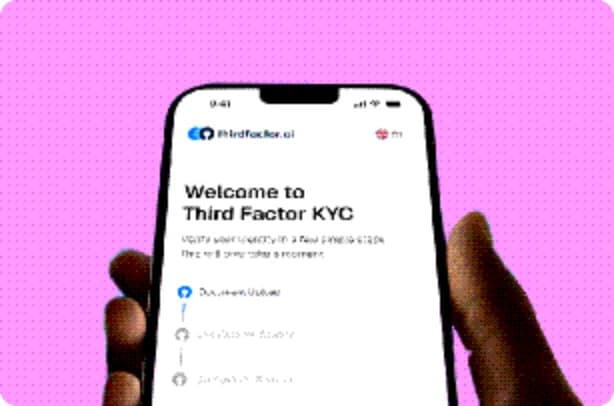
Third Factor AI launches on stage at the Nepal Fintech Alliance 2026 event. A KYC platform built for accuracy, speed, and simple integration. Identity verification at onboarding, done well.
Pension Management Office goes live

More than 300,000 pensioners. The challenge was not verifying identity once. It was confirming presence every month. Traditional KYC had no answer. We built one.
Vianet signs

An ISP with no regulatory requirement for KYC. Their challenge was continuously trusting who they were serving. The pattern became clear. This was not a KYC problem. It was a trust infrastructure problem.
Leadership Team

Manish K. Sharma
CEO
Sojan Prajapati
CBO
Sudip Dawadi
CPO
Niranjan Udas
COO
Anjelika Sah
VP of Engineering
Ashish Joshi
CMO
Ashish Chapagain
CBDO
Sudip Lamichhane
CRO


Start Verifying with
Confidence

Get insights, tips, and updates from our team.
Frequently Asked Questions
What deployment models does Third Factor support?
Cloud, on-premise, and hybrid. Banks and BFIs that can't send identity data outside their own infrastructure run Third Factor entirely on-premise, with zero data retention.
Is every verification decision auditable?
Yes. Every session logs a timestamped trail from creation to final decision, built for the moment a regulator or your own risk team asks why.
Does Third Factor verify documents from other countries?
Passports, yes, through MRZ and NFC chip reading, which work the same on any ICAO-compliant passport. Broader local-ID coverage outside Nepal is expanding market by market.
How does Third Factor stop deepfakes and spoofing?
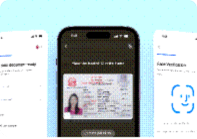
Every liveness check screens for deepfakes, screen replays, mask attacks, and camera injection before a face match ever runs, not just whether a face was present.
Can different products use different verification rules?
Yes. Route a personal loan applicant through deeper KYC than a savings account applicant automatically, without a separate integration for each product.
Does Third Factor score risk, or just pass or fail?
Every case carries a risk score with the reasoning behind it, so borderline cases route to manual review instead of getting the same blanket decision as everyone else.
Is technical support available 24/7?
Standard support covers 48 hours a week. Institutions that need faster response times can add Dedicated Support, a committed resource with SLA-backed coordination.